Anti-Aging & Longevity Science

Evidence-led writing on the molecules, mechanisms and formulation science behind anti-aging and longevity care — for clinicians, pharmacists and partners who value clarity over claims.

Abstract wireframe visualisation — three fused closed rings on one side and two open chains extending from a single bright central node, glowing amber on a deep navy background
Longevity Science

N-Acetylcysteine IV Therapy: Mechanism, Evidence and the Repair Step the Vein Skips

NAC is the one antioxidant precursor with an approved intravenous product behind it — and the licensed course is 300 mg/kg, about 21,000 mg for a 70 kg adult. It is also the one molecule where the gut repairs what the vein cannot: the dimer NAC oxidises into is reduced in the small intestine and lost in the bloodstream.

EFBA Science Desk · 9 November 2026 · 12 min read
Abstract wireframe visualisation — three closed rings and an open chain radiating from a single bright central node, one branch running out to an isolated terminal atom, glowing amber on a deep navy background
Longevity Science

Thiamine IV Therapy: Mechanism, Evidence and the Dose That Came From Nowhere

Thiamine has a real intravenous emergency, a licensed product and a guideline dose — and the 100 mg figure most drips inherited was never chosen from a trial. UK guidance for suspected Wernicke’s delivers 500–750 mg three times a day; the sepsis cocktail that was actually tested returned 25 ventilator-free days against 26.

EFBA Science Desk · 6 November 2026 · 11 min read
Abstract wireframe visualisation — a coordination complex radiating from one bright central metal node, two branches closing into rings and two extending as open chains, glowing amber on a deep navy background
Longevity Science

Zinc and Selenium IV Therapy: Mechanism, Evidence and Why Both Have a Ceiling

Zinc and selenium are the only intravenous actives with a published upper intake level and a labelled harm mechanism at excess. The one randomised trial of “high-dose intravenous zinc” gave about 17 mg a day to 33 patients — and Europe’s selenium ceiling of 255 µg/day was derived from a trial that found no benefit.

EFBA Science Desk · 26 October 2026 · 11 min read
Abstract wireframe visualisation — a molecular graph radiating from one bright central node, three branches closing into rings and two extending as open chains, glowing amber on a deep navy background
Longevity Science

IV Product Cold Chain and Storage: What an Expiry Date Actually Certifies

A shelf life is a measurement taken under one climatic condition, in one container, for one duration. In published parenteral nutrition work ascorbic acid lasted about 16 days at up to 40 °C in a six-layer bag and nine days at 4 °C in a three-layer one — for oxidation-sensitive actives the container outranks the refrigerator.

EFBA Science Desk · 19 October 2026 · 11 min read
Abstract wireframe visualisation — four branches radiating from a single bright central node, three closing into rings and one extending as an open chain, glowing amber on a deep navy background
Longevity Science

IV Therapy Clinic Requirements: Four Compliance Layers and the Documents That Prove Each One

An intravenous service sits inside four independent regulatory systems — the licence to treat, the medicines supply chain, the product's manufacturing record and the advertising rules. Clearing one clears none of the others, and a properly registered clinic can fail two of them at once.

EFBA Science Desk · 12 October 2026 · 13 min read
Abstract wireframe visualisation — three branching chains of linked nodes extending from one bright central node, each chain closing into a ring, glowing amber on a deep navy background
Longevity Science

Iron Infusion and IV Iron Therapy: Mechanism, Evidence and Why This Route Earns Its Claim

Iron is the one molecule in this series where the intravenous route wins the arithmetic outright — 1,000 mg in fifteen minutes against roughly 10 mg absorbed from a tablet. Which is exactly why it is a licensed medicine, and why the FDA and the EMA both moved on it in September 2026.

EFBA Science Desk · 5 October 2026 · 14 min read
Abstract wireframe visualisation — three closed rings of linked nodes radiating from a single bright central node, glowing amber on a deep navy background
Longevity Science

Exosome Therapy: Mechanism, Evidence and Why Nobody Can Tell You the Dose

No regulator anywhere has approved an exosome product, and the field's own consensus document discourages the word unless endosomal origin is demonstrated. Potency has no unit — an abundant microRNA sits at about 0.008 copies per vesicle — and the one published placebo-controlled intravenous trial missed its primary endpoint.

EFBA Science Desk · 28 September 2026 · 12 min read
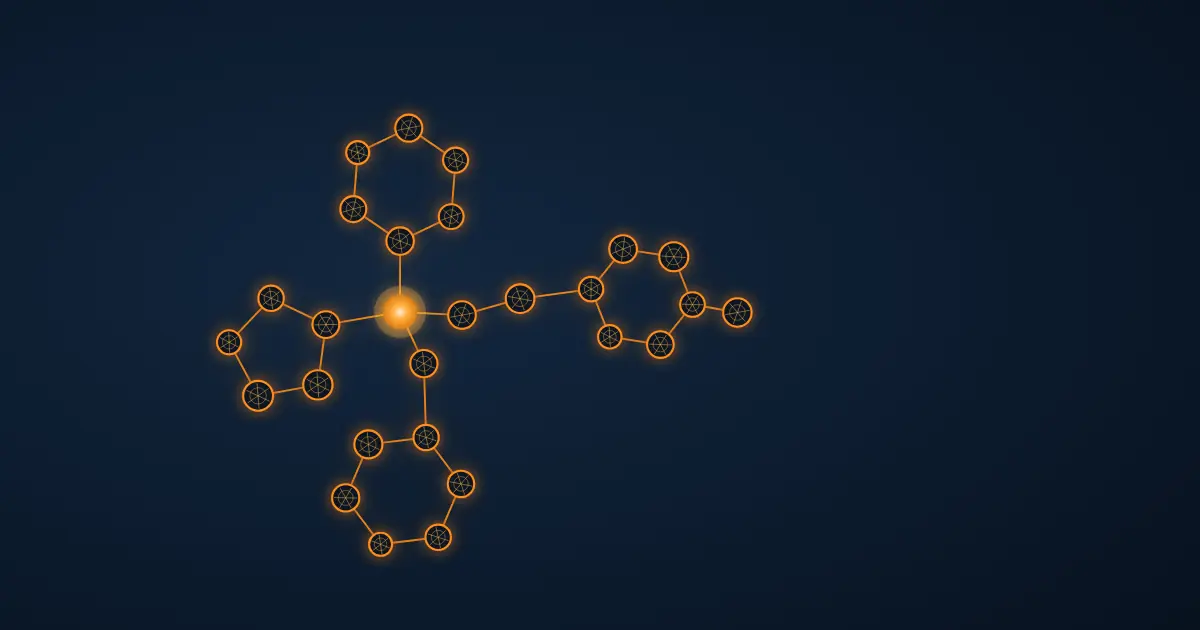
Abstract wireframe visualisation of a secosteroid skeleton — fused rings and a long side chain radiating from a single bright node, glowing amber on a deep navy background
Longevity Science

Vitamin D Injection and IV Therapy: Mechanism, Evidence and Why Daily Beats the Megadose

There is no licensed intravenous cholecalciferol anywhere, and the only vitamin D injection licensed in the UK is an intramuscular one for malabsorption. The randomised record separates by schedule, not route: the benefit signals are daily and small, the harm signals infrequent and large — and the 2026 fracture meta-analysis closes the oldest claim at high certainty.

EFBA Science Desk · 20 September 2026 · 12 min read
Abstract wireframe visualisation of a short peptide backbone, a chain of linked residues whose terminal segment fades into indefinition, glowing amber on a deep navy background
Longevity Science

Peptide Therapy: Mechanism, Evidence and What the 2026 FDA Panel Vote Actually Decided

An FDA advisory committee recommended six peptides for compounding in July 2026 — but the objection from the agency's own scientists was about chemical identity, not efficacy. What the BPC-157 evidence actually consists of, why TB-500 is not thymosin beta-4, and the evidence graded by peptide and regulatory status.

EFBA Science Desk · 14 September 2026 · 12 min read
Abstract wireframe visualisation of the tryptophan indole ring and a glycine backbone, competing molecular paths converging on a single transporter, glowing amber on a deep navy background
Longevity Science

Sleep and Stress IV Therapy: Mechanism, Evidence and Why the Ratio Beats the Dose

A sleep or anti-stress drip is built on tryptophan, glycine and magnesium — but brain tryptophan entry tracks a ratio, not a dose, and the competitors travel in the same bag. What the two human infusion studies found, why glycine is the best-evidenced ingredient, and the evidence graded by ingredient and route.

EFBA Science Desk · 6 September 2026 · 12 min read
Abstract wireframe visualisation of a collagen triple helix, three intertwined polypeptide strands with glycine at every third position, glowing amber on a deep navy background
Longevity Science

Collagen IV Therapy: Mechanism, Evidence and Why the Bag Contains No Collagen

No infusion delivers collagen — the molecule is a 300 kDa triple helix and the dermis builds its own, residue by residue. What a collagen drip actually contains, why the oral evidence disappears in the trials without industry funding, and the evidence graded by indication and route.

EFBA Science Desk · 30 August 2026 · 12 min read
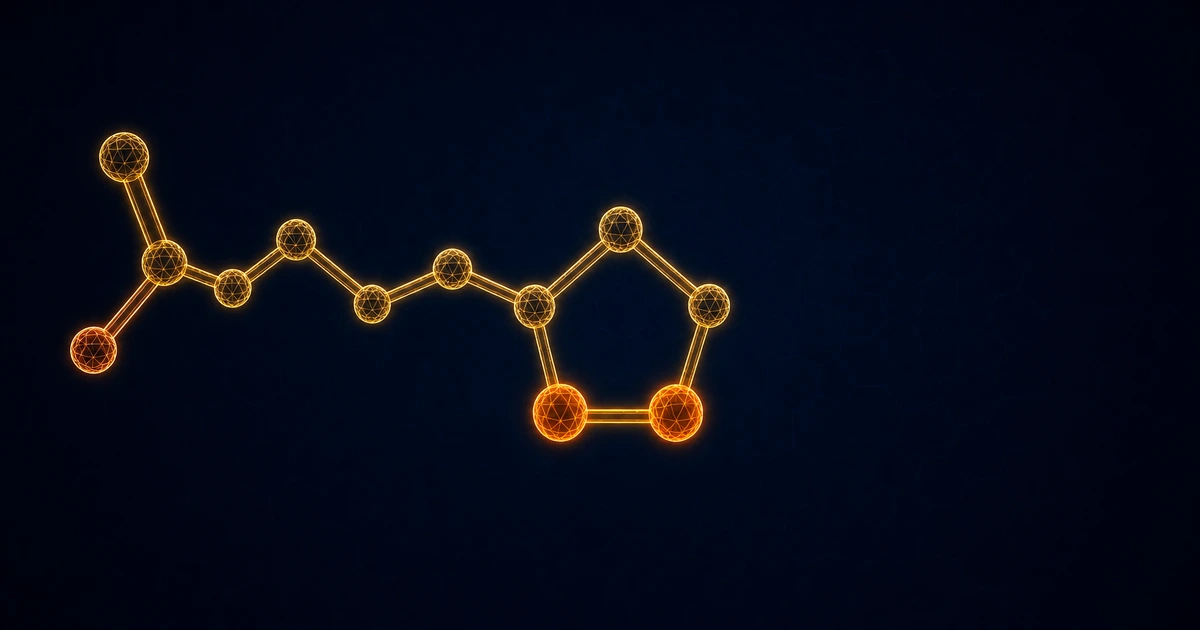
Abstract wireframe visualisation of the biotin molecule with its fused ureido and thiophene rings and valeric acid side chain, glowing amber on a deep navy background
Longevity Science

Biotin IV Therapy: Mechanism, Evidence and Why the Route Adds Nothing

Oral biotin at supplement doses is about 100% bioavailable against an intravenous reference in the same subjects, so the drip closes no absorption gap. Three independent reviews found no benefit for hair growth in healthy adults, and the FDA has warned twice that biotin can hide a heart attack from the laboratory.

EFBA Science Desk · 23 August 2026 · 12 min read
Abstract wireframe visualisation of the L-carnitine molecule shuttling a long-chain fatty acid across a mitochondrial membrane, glowing amber on a deep navy background
Longevity Science

L-Carnitine IV Therapy: Mechanism, Evidence and Why Uptake Is the Limiting Step

Levocarnitine injection is a licensed medicine with two deficiency indications — and its own label states that clinical outcomes in dialysis patients have not been determined. Why the saturated muscle transporter, not delivery, is the limiting step, with evidence graded by indication.

EFBA Science Desk · 16 August 2026 · 12 min read
Abstract wireframe visualisation of a magnesium ion in octahedral coordination with six surrounding ligands, glowing amber on a deep navy background
Longevity Science

Magnesium IV Therapy: Mechanism, Evidence and the Indications It Is Actually Approved For

Magnesium sulfate halved eclampsia risk in a 10,141-woman trial and remains first-line for torsades de pointes — yet 64,000 randomised patients found no cardiac benefit after myocardial infarction, and the largest asthma trial missed its endpoint. Evidence graded by indication, with doses and safety limits.

EFBA Science Desk · 09 August 2026 · 11 min read
Abstract visualisation of interlinked amino acid molecular chains and a peptide backbone, glowing amber on a deep navy background
Longevity Science

Amino Acid IV Therapy: Mechanism, Evidence and Why the Verdict Changes by Molecule

Glutamine trials showed a mortality signal in critical illness, a 2024 trial showed amino acid infusion reduces kidney injury after cardiac surgery, and the 2023 taurine anti-aging finding was challenged twice in 2025. A molecule-by-molecule evidence review.

EFBA Science Desk · 03 August 2026 · 11 min read
Abstract visualisation of the cobalamin corrin ring with a cobalt centre and methyl-transfer nodes, glowing amber on a deep navy background
Longevity Science

Vitamin B12 and Folate IV Therapy: Methylation, Evidence and Why the Route Decides the Answer

B12 and folate arrive in the IV clinic with better credentials than most infusion ingredients — and the manufacturer's own label advises against the intravenous route. What the methylation cycle does, what the outcome trials settled, and how to read a combined formulation.

EFBA Science Desk · 27 July 2026 · 12 min read
Abstract visualisation of the alpha-lipoic acid molecular structure with glowing amber highlights on a deep navy background
Longevity Science

Alpha-Lipoic Acid IV Therapy: Mechanism, Evidence and What the Trials Actually Show

Alpha-lipoic acid carries one of the most studied evidence bases of any IV antioxidant — four decades of named trials in diabetic neuropathy. An honest, evidence-graded look at what those trials show, and what the longevity marketing doesn't.

EFBA Science Desk · 19 July 2026 · 9 min read
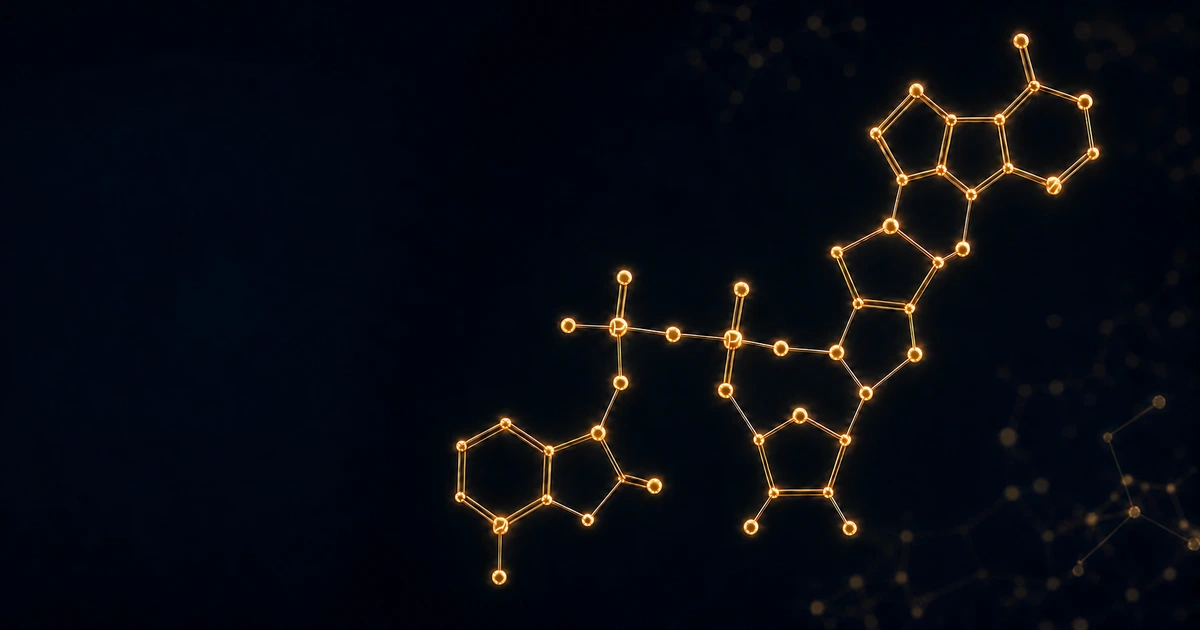
Abstract visualisation of the NAD+ coenzyme molecular structure with glowing amber highlights on a deep navy background
Longevity Science

NAD+ IV Therapy: Mechanism, Evidence and What the Data Actually Show

NAD+ IV therapy promises the fastest way to restore cellular energy. Here is what a 2024 head-to-head trial found when IV NAD+ was tested against its own precursor — and an honest look at the mechanism, dosing and safety.

EFBA Science Desk · 12 July 2026 · 9 min read
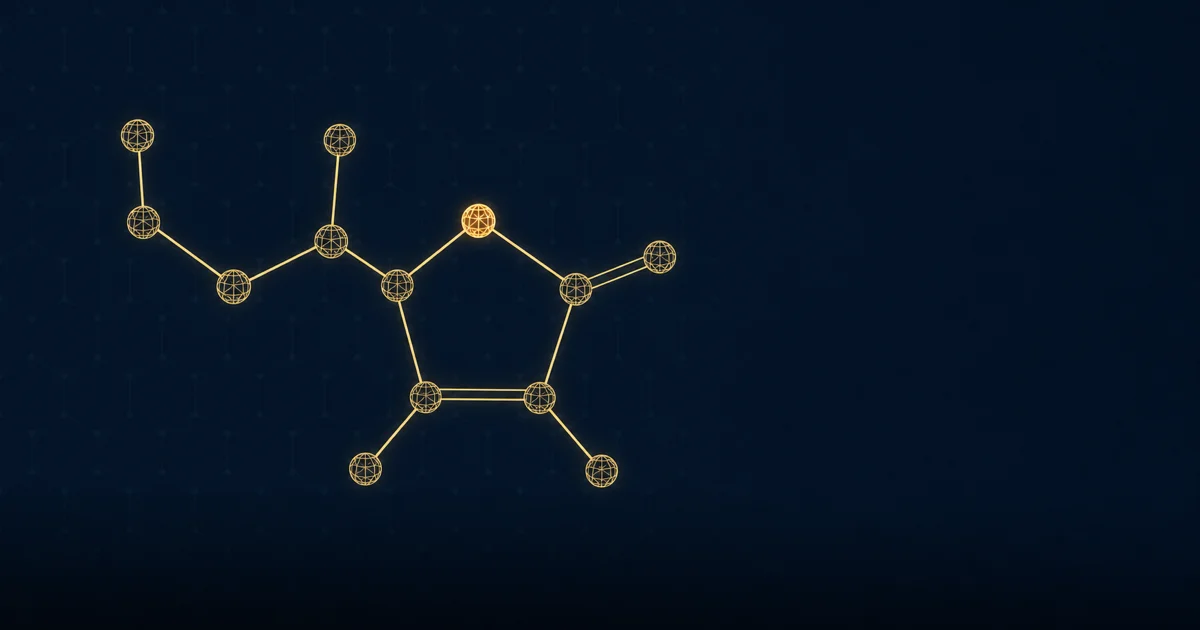
Abstract molecular visualisation of ascorbic acid with amber highlights on a deep navy background
Longevity Science

High-Dose Vitamin C IV Therapy: Mechanism, Evidence and Dosing

High-dose IV vitamin C floods the bloodstream with concentrations no oral dose can reach. An honest, evidence-graded look at what it does in sepsis, oncology and deficiency — and the safety facts that matter.

EFBA Science Desk · 05 July 2026 · 9 min read
Abstract molecular visualisation of the glutathione tripeptide on a deep navy background
Longevity Science

Glutathione IV Therapy: How It Works, What It Does and What the Evidence Shows

Glutathione IV therapy delivers the body's master antioxidant directly into the bloodstream. Mechanism, evidence graded by indication, dosing protocols and the safety facts — for clinicians who need precision, not promises.

EFBA Science Desk · 29 June 2026 · 9 min read
Abstract visualisation of an intravenous micronutrient infusion on a deep navy background
Longevity Science

Myers' Cocktail: Ingredients, Doses and What the Evidence Shows

What's really in a Myers' cocktail, why it is given by IV, and an evidence-graded look at what it does and doesn't do — exact doses, the one RCT, and the safety facts.

EFBA Science Desk · 22 June 2026 · 9 min read
Abstract molecular visualisation of NAD+ on a deep navy background
Longevity Science

NAD+ vs NMN: What the Evidence Actually Says

NMN is a precursor; NAD+ is the coenzyme cells use. How the two differ in biochemistry, absorption and human evidence — an evidence-graded comparison for practice.

EFBA Science Desk · 18 June 2026 · 8 min read